-
February 26, 2018
New issue of Czech Business Today!

The first issue of e-newsletter Czech Business Today in 2018 informs about the view of Czech business and employers’ organizations on the proposed framework for FDI screening. Vice-Chair of International Trade Committee of the European Parliament Jan Zahradil comments the… continue reading »
-
December 20, 2017
New issue of Czech Business Today!

The eighth edition of e-newsletter Czech Business Today informs about the topic of dual quality of products on the single market. On the first page, you can also find an article on the update of ePrivacy regulation in relation to… continue reading »
-
November 13, 2017
New issue of Czech Business Today!

The seventh edition of e-newsletter Czech Business Today informs about outcomes of a seminar focused on financing of SMEs in the Czech Republic through the European Fund for Strategic Investments. On the first page, you can also find an article… continue reading »
-
October 9, 2017
New issue of Czech Business Today!

The sixth edition of the Czech Business Today e-newsletter informs about European Union’s financial priorities and especially about the impact of Brexit on EU budget. The topic is commented by MEP Tomáš Zdechovský (KDU-CSL / EPP). The first page also focuses… continue reading »
-
September 18, 2017
New issue of Czech Business Today!

This year’s fifth issue of e-newsletter Czech Business Today deals with the Mobility Package and its impact, in particular, on the issue of posting of workers in the road transport. The topic is also commented by MEP Martina Dlabajová (ALDE/ANO… continue reading »
-
June 7, 2017
New issue of Czech Business Today!

The fourth issue of e-newsletter Czech Business Today focuses on economic relations between the EU and the US and the influence of the new President Donald Trump on the relationship. Vice-President of the European Parliament Pavel Telička (ALDE/ANO 2011) comments… continue reading »
-
May 18, 2017
New issue of Czech Business Today!
The third issue of e-newsletter Czech Business Today in this year focuses on Future of Europe. At the beginning of March, the European Commission released a White Paper on the Future of Europe: Reflections and scenarios for the EU27 by… continue reading »
-
April 13, 2017
New issue of Czech Business Today!

The second issue of e-newsletter Czech Business Today in this year focuses on its first page on the topic of posting of workers and a debate co-organized by CEBRE in Brussels. In addition, you can find an article about the… continue reading »
-
March 6, 2017
New issue of Czech Business Today!
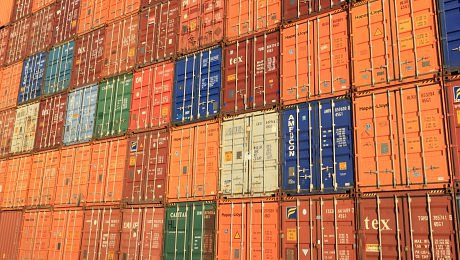
The first issue of e-newsletter Czech Business Today in this year focuses on the 25th anniversary of the establishment of the single market in the EU. In addition, you can find an article about Comprehensive Economic Trade Agreement (CETA) between… continue reading »
-
December 8, 2016
New issue of Czech Business Today!

The last issue of e-newsletter Czech Business Today of this year focuses on the revision of Energy Efficiency Directive, which is one of the main initiatives of the European Commission’s winter energy package. It sets new binding target of 30%… continue reading »